
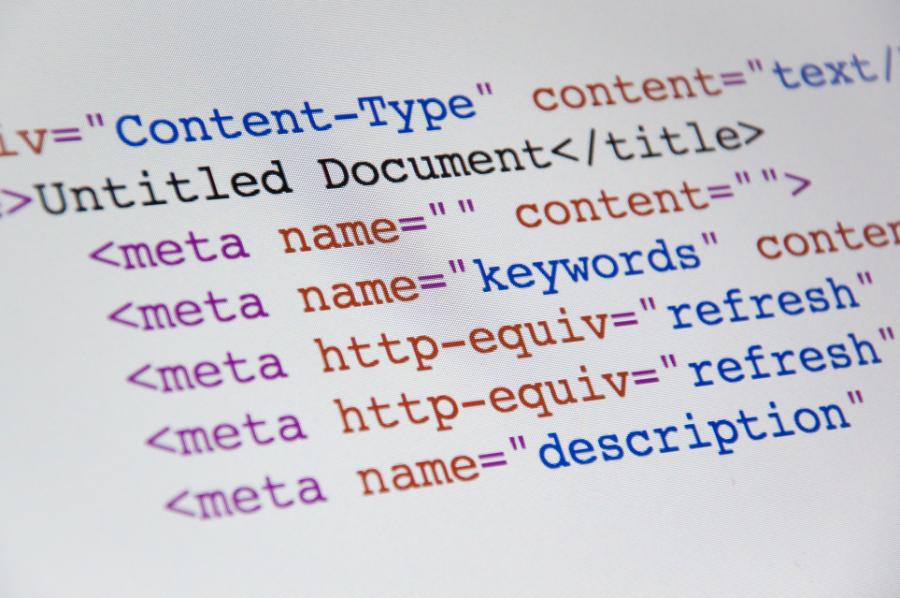
In the SEO world, meta tags and keywords serve two distinct purposes. The first is to aid retrieval, and the second is to help with misspellings. Search engines treat meta tags as if they were visible on the page. Meta tags help with misspellings because they allow people to correct their spelling on the page. It’s also against the rules to hide the text in the meta tag.
Meta tags
Meta tags are used for search engine retrieval purposes. In a meta tag, words are treated as if they were visible on the page. This helps to prevent misspellings. It also allows you to correct spelling errors on the page. However, it is against search engine guidelines to hide your text in the meta tags.
There are several types of meta tags. The first one is the title tag. This is the main tag on the webpage that is used by search engines when listing pages. In addition, there is the robots tag, which is used to exclude Open Directory descriptions. The other two types of meta tags are keywords and description tags.
Keywords are descriptive words that are found throughout the content of a webpage. For example, a website selling organic fruits will use keywords that describe organic fruits. But meta keywords are often phrases. In order to avoid overcrowding the meta tags, it’s important to avoid using too many words.
Meta keywords are hidden in the source code of a webpage. They are not visible to website visitors, but search engines can read them. Most website builders make it easy to include meta keywords in their pages. However, most SEO experts don’t recommend using them anymore. There are many other factors to consider when optimizing your webpage, and meta keywords should be part of your overall strategy.
The difference between keywords and meta tags is important in search engine optimization. Meta tags should be unique for each page on a website. You should also write meta tags that are aimed at potential website visitors. This will increase the chance that a user will click on the snippet.
Meta description
While meta tags and keywords are important for ranking high in search engines, they are not the same thing. Ideally, you want your meta tags and keywords to contain long-tail variations of your focus keyword. The meta description tag should be short and explain the content of the webpage. This can help users decide whether they want to read more of your page or not.
The meta description tag describes what visitors can expect from a webpage when they perform a search. This description will appear in the SERPs between the title and the link of the page. A well-written description will attract more traffic and higher rankings. But the length of the meta description can differ from one search engine to the other. In most cases, the description tag should not exceed 160 characters.
Meta keywords are words and phrases that describe the content of a webpage. If a website is selling organic fruits, it will have keywords for organic fruits. The difference between meta keywords is that meta keywords are more commonly used words. The goal is to increase your ranking by using the best keywords and phrases.
When SEO is concerned, keywords are more important than meta tags. Keywords are used by search engines to determine whether your page is relevant for a specific term or keyword. Keywords are words or phrases that are important to the user. If the visitor is searching for a specific term that is related to your business, then they are more likely to click on your page than on a competitor’s.
Meta tags tell search engines what content a page is about. Meta descriptions explain how a page is related to the search query and act as a “hook” for advertising in search results. Although they don’t appear on the page, they are an important part of SEO.
Their purpose in SEO
While meta tags and keywords serve many purposes, their primary function is to help Google index your website. By optimizing the tags on your pages, Google will be able to better understand the content and context of each page. This allows them to rank your website higher and appear more prominently in search results. In addition, meta tags can increase your website’s clickthrough rate. Backlink research has shown that simple meta tag tweaks can increase clickthrough rates by as much as 6%.
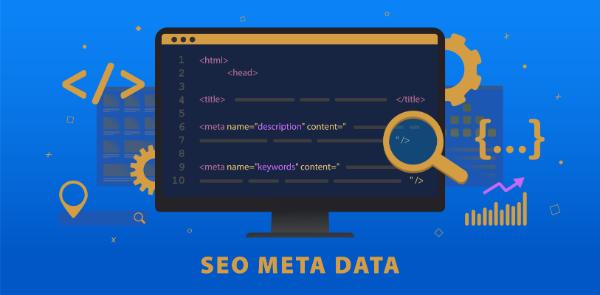 In terms of content, the meta tags you use should describe the page’s content. A good meta tag should include the topic and theme of the page, the main keyword, and any synonyms. Always make sure to follow Google’s guidelines when writing these tags. If you use a meta tag that is not in compliance with Google’s guidelines, your page may not be indexed.
While Meta tags and keywords serve a purpose in search engine optimization, it is important to remember that both tags should be consistent and contain the same keyword or phrase. Although the search engines do not recognize the relationship between two similar phrases, they can still improve the overall performance of your site.
Meta tags are also important for the way users interact with your website’s content. A well-written meta tag will encourage people to click on your website’s links and engage on your page, which will increase your website’s rankings in search results. In addition, meta tags help organize your pages and provide more descriptive details.
Meta tags and keywords are essential for SEO. The content of these tags should accurately represent the content of the page, which will ultimately drive traffic. The meta description should contain a description of about 150-160 characters that explains what the page is about. It should also include a call-to-action.
Their impact on SERPs
Search engines are becoming increasingly sophisticated in how they prioritize and deliver content based on various factors, including user intent. Although a single search might bring thousands of results, the SERPs can differ greatly based on factors such as user location, browsing history, social settings, and more. This means that two SERPs may look similar, but feature subtle differences in how they display information.
When a user searches for a particular topic, Google’s search results often include a “People Also Asked” box and “Instant Answer.” These features are meant to give users the best information possible on that subject. For example, if a searcher is looking for information on Brad Pitt, the results will be generic and not very helpful. However, if the user is looking for information on the actor, the “People Also Ask” box will appear. These features help influence user behavior and increase the likelihood of click-throughs.
The new features are also a result of the ongoing COVID-19 epidemic. This pandemic has forced the organization to make changes to its algorithms to address the problem. Google is incorporating data and personalization to make SERPs more useful to users. As a result, the company is addressing issues that many users do not know about.
Search engine results pages (SERPs) are a dynamic process where algorithms constantly change and improve. As a result, generating and maintaining a top SERP is crucial to promoting your brand, attracting new users, and generating more traffic.
All-In-One SEO Tool
Get Web Hosting
Learn Online Business


